Конвенція МДП (TIR Convention)
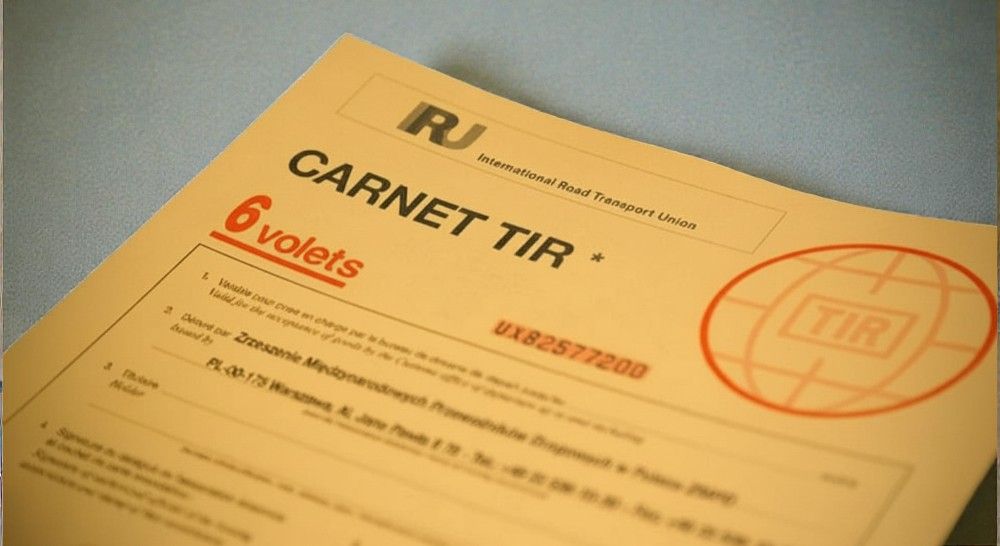
Під час міжнародних автомобільних перевезень митні органи транзитних країн традиційно застосовують власні національні системи контролю та процедури. Вони відрізняються залежно від держави, але зазвичай передбачають перевірку вантажу на кордоні та надання національних гарантій - митних застав, депозитів або інших форм забезпечення - для покриття можливих мит і зборів під час транзиту.
Застосування таких вимог у кожній наступній країні призводить до додаткових витрат, затримок і простоїв у перевезенні. Саме для спрощення цих процедур була створена система МДП. Її мета - зменшити адміністративні та операційні труднощі для перевізників і водночас надати митним органам єдиний міжнародний механізм контролю, здатний замінити окремі національні процедури із збереженням належного рівня митних гарантій у кожній країні транзиту.
Митна конвенція про міжнародне перевезення вантажів із застосуванням книжки МДП
(Конвенція МДП)
Договірні Сторони,
бажаючи сприяти полегшенню міжнародних перевезень вантажів автомобільним транспортом,
беручи до уваги, що поліпшення умов перевезень є одним із суттєвих чинників розвитку співробітництва між ними,
виступаючи за спрощення та гармонізацію адміністративних, зокрема прикордонних, формальностей у сфері міжнародних перевезень,
домовилися про таке:
Глава I
ЗАГАЛЬНІ ПОЛОЖЕННЯ
a) Визначення
Стаття 1
Для цілей цієї Конвенції:
a) термін «операція МДП» означає перевезення вантажів від митниці місця відправлення до митниці місця призначення із застосуванням процедури МДП, встановленої цією Конвенцією;
b) термін «ввізні або вивізні мита й збори» означає мита та всі інші платежі, податки, збори й інші суми, що справляються при ввезенні або вивезенні вантажів чи у зв’язку з таким ввезенням або вивезенням, за винятком сум і зборів, розмір яких обмежується приблизною вартістю наданих послуг;
c) термін «дорожній транспортний засіб» означає як механічний дорожній транспортний засіб, так і будь-який причіп або напівпричіп, призначений для його буксирування;
d) термін «состав транспортних засобів» означає зчеплені транспортні засоби, що беруть участь у дорожньому русі як єдине ціле;
e) термін «контейнер» означає транспортне обладнання (каркас, знімну цистерну або інше подібне обладнання):
що є повністю або частково закритою ємністю, призначеною для розміщення вантажів;
що має постійну форму та достатню міцність для багаторазового використання;
спеціально сконструйоване для полегшення перевезення вантажів одним або кількома видами транспорту без проміжного перевантаження;
сконструйоване таким чином, щоб полегшити його перевантаження, зокрема з одного виду транспорту на інший;
сконструйоване так, щоб його можна було легко завантажувати та розвантажувати;
що має внутрішній об’єм не менше одного кубічного метра.
Знімні кузови розглядаються як контейнери;
f) термін «митниця місця відправлення» означає будь-яку митницю Договірної Сторони, у якій для всього вантажу або його частини розпочинається міжнародне перевезення із застосуванням процедури МДП;
g) термін «митниця місця призначення» означає будь-яку митницю Договірної Сторони, у якій для всього вантажу або його частини завершується міжнародне перевезення із застосуванням процедури МДП;
h) термін «проміжна митниця» означає будь-яку митницю Договірної Сторони, через яку дорожній транспортний засіб, состав транспортних засобів або контейнер ввозиться або вивозиться в ході операції МДП;
i) термін «особа» означає як фізичну, так і юридичну особу;
j) термін «великовагові та громіздкі вантажі» означає будь-який важкий або громіздкий предмет, який через свою вагу, розміри або характер зазвичай не перевозиться у закритому дорожньому транспортному засобі або закритому контейнері;
k) термін «гарантійне об’єднання» означає об’єднання, визнане митними органами Договірної Сторони як гарант для осіб, які користуються процедурою МДП.
b) Сфера застосування
Стаття 2
Ця Конвенція застосовується до перевезення вантажів, що здійснюється без проміжного перевантаження, у дорожніх транспортних засобах, составах транспортних засобів або контейнерах, із перетинанням одного або кількох державних кордонів – від митниці місця відправлення однієї з Договірних Сторін до митниці місця призначення іншої Договірної Сторони або тієї самої Договірної Сторони, за умови що певна частина операції МДП між її початком і завершенням здійснюється автомобільним транспортом.
Стаття 3
Положення цієї Конвенції застосовуються за умови, що:
a) перевезення здійснюються:
у дорожніх транспортних засобах, составах транспортних засобів або контейнерах, попередньо схвалених для перевезення відповідно до умов, визначених у главі III, пункт a); або
в інших дорожніх транспортних засобах, інших составах транспортних засобів або інших контейнерах за умови дотримання вимог, визначених у главі III, пункт c);
b) перевезення гарантуються об’єднаннями, визнаними відповідно до положень статті 6 цієї Конвенції, та здійснюються із застосуванням книжки МДП, що відповідає зразку, наведеному в додатку 1 до цієї Конвенції.
c) Основні положення
Стаття 4
Вантажі, що перевозяться з дотриманням процедури МДП, звільняються від сплати або внесення депозиту ввізних чи вивізних мит і зборів у проміжних митницях.
Стаття 5
Вантажі, що перевозяться з дотриманням процедури МДП у запломбованих дорожніх транспортних засобах, запломбованих составах транспортних засобів або запломбованих контейнерах, як правило, звільняються від митного огляду в проміжних митницях.
Однак з метою запобігання зловживанням митні органи можуть у виняткових випадках, зокрема за наявності підозри щодо порушень, здійснювати митний огляд вантажів у таких митницях.
Глава II
Видача книжок МДП. Відповідальність гарантійних об’єднань
Стаття 6
Кожна Договірна Сторона може, за умови встановлення відповідних гарантій та визначених умов, надавати окремим об’єднанням право безпосередньо або через об’єднання, що є їхніми кореспондентами, видавати книжки МДП та надавати гарантії.
Об’єднання може бути визнане в конкретній державі лише за умови, що надана ним гарантія також покриває відповідальність, прийняту на себе цим об’єднанням у цій державі у зв’язку з операціями, здійсненими із застосуванням книжок МДП, виданих іноземними об’єднаннями, які входять до міжнародної організації, членом якої є відповідне об’єднання.
Стаття 7
Бланки книжок МДП, що надсилаються гарантійним об’єднанням їхніми іноземними кореспондентами або міжнародними організаціями, звільняються від сплати ввізних і вивізних мит і зборів та не підлягають під час ввезення або вивезення будь-яким заборонам чи обмеженням.
Стаття 8
Гарантійне об’єднання бере на себе зобов’язання сплачувати належні ввізні або вивізні мита і збори, а також будь-які відсотки за прострочення, які можуть підлягати сплаті відповідно до митного законодавства та правил держави, у якій було виявлено порушення, пов’язане з операцією МДП. Гарантійне об’єднання зобов’язується сплачувати зазначені суми на умовах солідарної відповідальності разом з особами, з яких ці суми підлягають стягненню.
У випадках, коли законодавством та правилами відповідної Договірної Сторони не передбачено сплату ввізних або вивізних мит і зборів, як це зазначено в пункті 1 цієї статті, гарантійне об’єднання зобов’язується на аналогічних умовах сплатити суму, еквівалентну сумі ввізних або вивізних мит і зборів, а також будь-яких відсотків за прострочення.
Кожна Договірна Сторона встановлює максимальний розмір сум, сплату яких за однією книжкою МДП може бути вимагано від гарантійного об’єднання на підставі положень пунктів 1 і 2 цієї статті.
Гарантійне об’єднання несе відповідальність перед компетентними органами держави, в якій розташована митниця місця відправлення, з моменту прийняття цією митницею книжки МДП для митного оформлення. У кожній наступній державі, територією якої здійснюється перевезення вантажів з дотриманням процедури МДП, така відповідальність виникає з моменту ввезення вантажів або, якщо операцію МДП припинено відповідно до пунктів 1 і 2 статті 26 цієї Конвенції, – з моменту прийняття книжки МДП для митного оформлення митницею, в якій операцію МДП було відновлено.
Гарантійне об’єднання несе відповідальність не лише за вантажі, зазначені у книжці МДП, а й за будь-які інші вантажі, які не були зазначені у цій книжці, але знаходяться в запломбованій частині дорожнього транспортного засобу або в запломбованому контейнері. Гарантійне об’єднання не несе відповідальності за жодні інші вантажі.
З метою визначення сум мит і зборів, зазначених у пунктах 1 і 2 цієї статті, відомості щодо вантажів, внесені до книжки МДП, вважаються достовірними, доки не буде доведено протилежне.
У разі настання строку сплати сум, зазначених у пунктах 1 і 2 цієї статті, компетентні органи повинні, наскільки це можливо, вимагати сплати таких сум від особи або осіб, з яких ці суми підлягають безпосередньому стягненню, перш ніж звертатися з вимогою до гарантійного об’єднання.
Стаття 9
- Гарантійне об’єднання встановлює строк дії книжки МДП, зазначаючи дату його закінчення, після якої книжка не може бути подана до митниці місця відправлення для митного оформлення.
- Якщо книжку МДП було прийнято для митного оформлення митницею місця відправлення в останній день строку її дії або до цієї дати, як це передбачено пунктом 1 цієї статті, така книжка залишається чинною до завершення операції МДП у митниці місця призначення.
Стаття 10
Митне оформлення книжки МДП може бути здійснене із застереженнями або без застережень. У разі внесення застережень вони повинні стосуватися лише фактів, безпосередньо пов’язаних з операцією МДП. Такі факти мають бути зазначені у книжці МДП.
Якщо митні органи відповідної держави оформили книжку МДП без застережень, вони надалі не мають права вимагати від гарантійного об’єднання сплати сум, зазначених у пунктах 1 і 2 статті 8 цієї Конвенції, за винятком випадків, коли свідоцтво про митне оформлення було отримано незаконним або шахрайським шляхом.
Стаття 11
У разі відмови в митному оформленні книжки МДП або якщо таке оформлення було здійснене із застереженнями, компетентні органи не мають права вимагати від гарантійного об’єднання сплати сум, зазначених у пунктах 1 і 2 статті 8 цієї Конвенції, якщо протягом одного року з дати прийняття книжки МДП для митного оформлення ці органи не повідомили гарантійне об’єднання в письмовій формі про відмову в митному оформленні або про оформлення із застереженнями. Це положення застосовується також у разі митного оформлення, отриманого незаконним або шахрайським шляхом, однак у такому випадку зазначений строк становить два роки.
Вимога про сплату сум, зазначених у пунктах 1 і 2 статті 8 цієї Конвенції, надсилається гарантійному об’єднанню не раніше ніж через три місяці з дня повідомлення цього об’єднання про відмову в митному оформленні книжки МДП, про оформлення із застереженнями або про оформлення, отримане незаконним або шахрайським шляхом, і не пізніше ніж через два роки з тієї ж дати. Проте у справах, переданих на розгляд суду протягом зазначеного дворічного строку, вимога про сплату надсилається протягом одного року з дня набрання чинності судовим рішенням.
Для сплати належних сум гарантійне об’єднання має у своєму розпорядженні строк у три місяці з дати надсилання йому вимоги про сплату. Сплачені суми підлягають поверненню гарантійному об’єднанню, якщо протягом двох років з дати пред’явлення вимоги про сплату митним органам буде надано переконливі докази того, що під час відповідного перевезення не було допущено жодних порушень.
Глава III. Перевезення вантажів із застосуванням книжки МДП
a) Схвалення для перевезень транспортних засобів і контейнерів
Стаття 12
Для того щоб підпадати під дію положень розділів a) і b) цієї глави, кожен дорожній транспортний засіб повинен, з огляду на свою конструкцію та обладнання, відповідати умовам, наведеним у Додатку 2 до цієї Конвенції, і бути схваленим для перевезень відповідно до процедури, передбаченої Додатком 3 до цієї Конвенції.
Свідоцтво про схвалення повинно відповідати зразку, наведеному в Додатку 4 до цієї Конвенції.
Стаття 13
Для того щоб підпадати під дію положень розділів a) і b) цієї глави, контейнери повинні бути сконструйовані відповідно до умов, викладених у частині I Додатка 7, і бути схваленими для перевезень відповідно до процедури, встановленої у частині II цього ж додатка.
Контейнери, схвалені для перевезення вантажів під митними печатками і пломбами відповідно до:
Митної конвенції щодо контейнерів 1956 року,
міжнародних угод, укладених під егідою Організації Об’єднаних Націй,
Митної конвенції щодо контейнерів 1972 року,
або будь-яких міжнародних правових інструментів, що замінюють або змінюють зазначену Конвенцію 1972 року,
вважаються такими, що відповідають вимогам пункту 1 цієї статті, і приймаються до перевезення із застосуванням процедури МДП без повторного схвалення.
Стаття 14
Кожна Договірна Сторона залишає за собою право не визнавати чинність схвалення дорожніх транспортних засобів або контейнерів, які не відповідають вимогам, встановленим у статтях 12 і 13 цієї Конвенції. Водночас Договірним Сторонам не слід затримувати перевезення, якщо виявлені недоліки є незначними та не створюють можливостей для контрабанди.
Перед повторним використанням для перевезення вантажів під митними печатками і пломбами будь-який дорожній транспортний засіб або контейнер, який більше не відповідає умовам, що стали підставою для його схвалення, повинен бути або приведений у первісний стан, або знову пройти процедуру схвалення.
b) Процедура перевезення із застосуванням книжки МДП
Стаття 15
У разі тимчасового ввезення дорожнього транспортного засобу, состава транспортних засобів або контейнера, що використовується для перевезення вантажів із застосуванням процедури МДП, не вимагається спеціальний митний документ. Також не вимагається надання будь-яких гарантій щодо дорожнього транспортного засобу, состава транспортних засобів або контейнера.
Положення пункту 1 цієї статті не перешкоджають Договірній Стороні вимагати в митниці місця призначення виконання формальностей, передбачених її національним законодавством, з метою забезпечення вивезення дорожнього транспортного засобу, состава транспортних засобів або контейнера після завершення операції МДП.
Стаття 16
У разі здійснення операції МДП дорожнім транспортним засобом або составом транспортних засобів на них повинні бути встановлені прямокутні таблички з написом «TIR», що відповідають вимогам, наведеним у Додатку 5 до цієї Конвенції.
Одна така табличка розміщується спереду, а інша – ззаду дорожнього транспортного засобу або состава транспортних засобів.
Таблички повинні бути розміщені таким чином, щоб вони були чітко видимими, та бути знімними.
Стаття 17
На кожен дорожній транспортний засіб або контейнер оформлюється одна книжка МДП.
Водночас одна книжка МДП може оформлюватися на состав транспортних засобів або на кілька контейнерів, завантажених на один дорожній транспортний засіб або на состав транспортних засобів.
У такому разі у вантажному маніфесті книжки МДП повинен бути окремо зазначений вміст кожного транспортного засобу, що входить до складу состава транспортних засобів, або кожного контейнера.Книжка МДП є дійсною лише для одного перевезення.
Вона повинна містити щонайменше таку кількість відривних листків, яка необхідна для прийняття книжки до митного оформлення та її оформлення в процесі здійснення відповідного перевезення.
Стаття 18
Операція МДП може здійснюватися через кілька митниць місця відправлення та митниць місця призначення.
Однак, за винятком випадків, коли на це надано спеціальний дозвіл зацікавленими Договірними Сторонами або відповідними Договірними Сторонами:
a) митниці місця відправлення повинні розташовуватися лише в одній країні;
b) митниці місця призначення можуть розташовуватися не більш ніж у двох країнах;
c) загальна кількість митниць місця відправлення та митниць місця призначення не повинна перевищувати чотирьох.
Стаття 19
Вантаж, а також дорожній транспортний засіб, состав транспортних засобів або контейнер повинні бути пред’явлені в митниці місця відправлення разом із книжкою МДП.
Митні органи країни відправлення повинні вживати необхідних заходів для:
перевірки правильності вантажного маніфесту;
накладення митних печаток і пломб або
контролю митних печаток і пломб, накладених під відповідальність зазначених митних органів належним чином уповноваженими особами.
Стаття 20
Митні органи можуть встановлювати для перевезень, що здійснюються територією їхньої держави, визначений строк перевезення, а також вимагати, щоб дорожній транспортний засіб, состав транспортних засобів або контейнер дотримувалися визначеного маршруту.
Стаття 21
У кожній проміжній митниці, а також у митницях місця призначення дорожній транспортний засіб, состав транспортних засобів або контейнер пред’являються митним органам для контролю разом із вантажем, що в них міститься, та відповідною книжкою МДП.
Стаття 22
За винятком випадків огляду вантажів, здійсненого митними органами відповідно до пункту 2 статті 5 цієї Конвенції, посадові особи проміжних митниць кожної з Договірних Сторін, як правило, визнають митні печатки й пломби, накладені митними органами інших Договірних Сторін, за умови, що вони не пошкоджені.
Водночас такі посадові особи можуть, якщо цього вимагають потреби контролю, додатково накладати власні митні печатки й пломби.Митні печатки й пломби, визнані Договірними Сторонами, користуються на їхній території таким самим правовим захистом, як і національні митні печатки й пломби.
Стаття 23
Митні органи можуть лише у виняткових випадках:
вимагати, щоб під час транзиту територією їхньої держави дорожні транспортні засоби, состави транспортних засобів або контейнери супроводжувалися за рахунок перевізників;
здійснювати перевірку або огляд вантажу під час руху дорожніх транспортних засобів, составів транспортних засобів або контейнерів.
Стаття 24
У разі якщо митні органи здійснюють під час руху або в проміжній митниці огляд вантажу, що перевозиться в дорожньому транспортному засобі, составі транспортних засобів або контейнері, вони зобов’язані:
зазначити реквізити нових митних печаток і пломб, які були накладені;
описати характер здійсненого контролю
на відривних листках книжки МДП, що використовуються на території їхньої держави, на відповідних корінцях, а також на листках книжки МДП.
Стаття 25
Якщо митні печатки або пломби були пошкоджені під час перевезення за обставин, відмінних від передбачених статтями 24 і 35 цієї Конвенції, або якщо вантаж було втрачено чи пошкоджено без пошкодження митних печаток або пломб, застосовується порядок, встановлений у Додатку 1 до цієї Конвенції щодо використання книжки МДП.
При цьому:
не обмежується можливість застосування положень національного законодавства;
обов’язково заповнюється протокол, що міститься у книжці МДП.
Стаття 26
Якщо частина перевезення із застосуванням книжки МДП здійснюється територією держави, яка не є Договірною Стороною цієї Конвенції, операція МДП припиняється на цій ділянці маршруту.
У такому разі митні органи Договірної Сторони, територією якої перевезення продовжується, приймають книжку МДП для поновлення операції МДП за умови, що митні печатки й пломби та/або розпізнавальні знаки не пошкоджені.Те саме положення застосовується щодо тієї частини маршруту, на якій книжка МДП не використовується її власником на території Договірної Сторони у зв’язку із застосуванням спрощених митних транзитних процедур або у випадках, коли застосування митного транзитного режиму не є необхідним.
У зазначених випадках митниці, в яких операція МДП була перервана або поновлена, розглядаються як проміжні митниці відповідно при в’їзді до країни або при виїзді з неї.
Стаття 27
За умови дотримання положень цієї Конвенції та, зокрема, її статті 18, первісно зазначена митниця місця призначення може бути замінена іншою митницею місця призначення.
Стаття 28
Після прибуття вантажу до митниці місця призначення та за умови, що вантаж поміщається під інший митний режим або випускається для внутрішнього споживання, митне оформлення книжки МДП здійснюється негайно.
c) Положення, що стосуються перевезення великовагових або громіздких вантажів
Стаття 29
Положення цієї глави застосовуються виключно до перевезення великовагових або громіздких вантажів, визначення яких наведене в підпункті f) статті 1 цієї Конвенції.
У разі застосування положень цієї глави перевезення великовагових або громіздких вантажів може, за рішенням митних органів місця відправлення, здійснюватися з використанням неопечатаних транспортних засобів або контейнерів.
Положення цієї глави застосовуються лише за умови, що, на думку митних органів місця відправлення, великовагові або громіздкі вантажі, а також будь-які їх складові чи приналежності, що перевозяться одночасно:
можуть бути легко ідентифіковані за їх описом, або
можуть бути обладнані митними печатками й пломбами та/або розпізнавальними знаками таким чином, щоб унеможливити будь-яку підміну чи вилучення зазначених вантажів без залишення видимих слідів.
Стаття 30
Усі положення цієї Конвенції, за винятком тих, відступи від яких прямо передбачені спеціальними положеннями цієї глави, застосовуються до перевезення великовагових або громіздких вантажів із дотриманням процедури МДП.
Стаття 31
Відповідальність гарантійного об’єднання поширюється не лише на вантажі, перелічені в книжці МДП, але також на вантажі, які, хоча й не зазначені в цій книжці, перебувають на платформі або між вантажами, переліченими в книжці МДП.
Стаття 32
На обкладинці та на всіх відривних листках книжки МДП повинен бути зроблений чіткий напис жирним шрифтом:
«Великовагові або громіздкі вантажі» англійською або французькою мовою.
Стаття 33
Митні органи місця відправлення можуть вимагати, щоб пакувальні аркуші, фотографії, креслення тощо, які вважаються необхідними для ідентифікації перевезених вантажів, додавалися до книжки МДП.
У такому разі митні органи завіряють ці документи;
один примірник зазначених документів прикріплюється до внутрішньої сторони обкладинки книжки МДП,
у всіх маніфестах книжки МДП робиться посилання на ці документи.
Стаття 34
Митні органи проміжних митниць кожної Договірної Сторони визнають митні печатки й пломби та/або розпізнавальні знаки, накладені компетентними органами інших Договірних Сторін.
Вони можуть, однак, додатково накладати власні митні печатки й пломби та/або розпізнавальні знаки. У такому випадку митні органи:
роблять відповідні позначки про накладення нових печаток і пломб та/або розпізнавальних знаків
на відривних листках книжки МДП, що використовуються в їхній країні,
на відповідних корінцях,
а також на відривних листках, що залишаються в книжці МДП.
Стаття 35
Якщо під час руху або в проміжній митниці митні органи, що здійснюють огляд вантажу, змушені зняти митні печатки й пломби та/або розпізнавальні знаки, вони:
накладають нові митні печатки й пломби та/або розпізнавальні знаки;
роблять відповідні примітки про це
на відривних листках книжки МДП, що використовуються у їхній країні,
на відповідних корінцях,
а також на відривних листках, що залишаються в книжці МДП.
Стаття IV. ПОРУШЕННЯ ПОЛОЖЕНЬ КОНВЕНЦІЇ
Стаття 36
Будь-які порушення положень цієї Конвенції тягнуть за собою відповідальність порушника в державі, на території якої було вчинено порушення, та застосування санкцій, передбачених законодавством цієї держави.
Стаття 37
У випадках, коли неможливо встановити, на території якої держави було вчинено порушення, вважається, що воно було вчинене на території тієї Договірної Сторони, де це порушення було виявлено.
Стаття 38
Кожна Договірна Сторона має право тимчасово або остаточно позбавити будь-яку особу права користування положеннями цієї Конвенції, якщо така особа визнана винною у серйозному порушенні митних законів або правил, що застосовуються при міжнародному перевезенні вантажів.
Про таке позбавлення права негайно повідомляються:
митні органи Договірної Сторони, на території якої ця особа перебуває або має постійне місцеперебування;
відповідне гарантійне об’єднання або гарантійні об’єднання в державі, на території якої було вчинено порушення.
Стаття 39
У випадках, коли операції МДП в інших аспектах визнані такими, що були виконані належним чином:
Договірні Сторони не беруть до уваги незначні відхилення, що стосуються дотримання встановлених строків або запропонованих маршрутів.
Так само розбіжності між відомостями, зазначеними у вантажному маніфесті книжки МДП, і фактичним вмістом дорожнього транспортного засобу, состава транспортних засобів або контейнера не розглядаються як порушення цієї Конвенції власником книжки МДП, за умови, що компетентним органам надано задовільні докази того, що такі розбіжності:
не є наслідком навмисних дій, та
не виникли внаслідок недбалості під час навантаження або відправлення вантажу, чи при складанні відповідного вантажного маніфесту.
Стаття 40
Митні органи країни відправлення та країни призначення не покладають на власника книжки МДП відповідальність за розбіжності, які можуть бути виявлені в цих країнах, якщо такі розбіжності стосуються митних режимів, що застосовувалися до або після операції МДП, і до яких власник зазначеної книжки не мав жодного відношення.
Стаття 41
Якщо митні органи визнають достатніми докази того, що вантаж, зазначений у маніфесті книжки МДП:
був знищений або безповоротно втрачений унаслідок дорожньо-транспортної пригоди; або
був втрачений у результаті обставин, спричинених форс-мажорними обставинами; або
його відсутність є наслідком природних властивостей вантажу,
то такі органи звільняють від сплати ввізних або вивізних мит і зборів, які зазвичай підлягали б сплаті.
Стаття 42
Після отримання запиту від Договірної Сторони з викладенням відповідних підстав, компетентні органи Договірних Сторін, зацікавлених у відповідній операції МДП, надають усю наявну в їхньому розпорядженні інформацію, необхідну для застосування положень статей 39, 40 і 41 цієї Конвенції.
Глава V. Пояснювальні нотатки
Стаття 43
У пояснювальних нотатках, наведених у додатках 6 і 7 (частина III), подається тлумачення окремих положень цієї Конвенції та додатків до неї.
У них також описано окремі рекомендовані практики.
Глава VI. Різні положення
Стаття 44
Кожна Договірна Сторона надає зацікавленим гарантійним об’єднанням пільги щодо:
a) переказу валюти, необхідної для сплати сум, що стягуються компетентними органами Договірних Сторін відповідно до положень статті 8 цієї Конвенції;
b) переказу валюти, необхідної для оплати бланків книжок МДП, які надсилаються гарантійним об’єднанням іноземними об’єднаннями – їхніми кореспондентами – або міжнародними організаціями.
Стаття 45
Кожна Договірна Сторона публікує перелік митниць місця відправлення, проміжних митниць і митниць місця призначення, які вона призначає для здійснення операцій МДП.
Договірні Сторони, території яких межують між собою, повинні консультуватися з метою визначення відповідних прикордонних митниць та годин їх роботи.
Стаття 46
Виконання працівниками митниць формальностей, передбачених цією Конвенцією, не дає підстав для стягнення будь-яких зборів, за винятком випадків, коли такі формальності здійснюються поза встановленими днями, годинами або місцями, які зазвичай передбачені для їх виконання.
Договірні Сторони повинні вживати всіх необхідних заходів для полегшення митних операцій, пов’язаних із перевезенням швидкопсувних вантажів.
Стаття 47
Положення цієї Конвенції не перешкоджають застосуванню обмежень і контролю, що випливають із національних правил і ґрунтуються на міркуваннях:
суспільної моралі;
громадської безпеки;
охорони здоров’я або гігієни;
ветеринарного або фітосанітарного контролю,
а також стягненню зборів, передбачених такими правилами.
Положення цієї Конвенції не перешкоджають застосуванню інших національних або міжнародних норм, що регулюють перевезення.
Стаття 48
Жодне з положень цієї Конвенції не обмежує права Договірних Сторін, які утворюють митний або економічний союз, застосовувати спеціальні правила щодо перевезень, місцем відправлення або призначення яких є їхні території, або які здійснюються транзитом через їхні території, за умови, що такі правила не обмежують пільг, передбачених цією Конвенцією.
Стаття 49
Положення цієї Конвенції не перешкоджають застосуванню більш сприятливих умов, які Договірні Сторони надають або можуть надати:
на підставі односторонніх рішень; або
відповідно до двосторонніх чи багатосторонніх угод,
за умови, що такі пільги не перешкоджають застосуванню положень цієї Конвенції, зокрема здійсненню операцій МДП.
Стаття 50
Договірні Сторони, на запит, обмінюються інформацією, необхідною для застосування положень цієї Конвенції, зокрема відомостями щодо схвалення дорожніх транспортних засобів або контейнерів, а також технічних характеристик їхньої конструкції.
Стаття 51
Додатки до цієї Конвенції є її невід’ємною частиною.
Глава VII. Заключні положення
Стаття 52
Підписання, ратифікація, прийняття, схвалення та приєднання.
Договірними Сторонами цієї Конвенції можуть стати всі держави – члени Організації Об’єднаних Націй, або члени будь-якої спеціалізованої установи, або Міжнародного агентства з атомної енергії, або учасники Статуту Міжнародного Суду, а також будь-яка інша держава, запрошена Генеральною Асамблеєю Організації Об’єднаних Націй, шляхом:
a) підписання Конвенції без застереження щодо ратифікації, прийняття або схвалення;
b) здачі на зберігання документа про ратифікацію, прийняття або схвалення після її підписання з застереженням щодо ратифікації, прийняття або схвалення;
c) здачі на зберігання документа про приєднання.
Ця Конвенція відкрита для підписання державами, зазначеними в пункті 1 цієї статті, у Відділенні Організації Об’єднаних Націй у Женеві з 1 січня 1976 року до 31 грудня 1976 року включно. Після цієї дати вона відкрита для приєднання.
Митні або економічні союзи можуть також, відповідно до положень пунктів 1 і 2 цієї статті, стати Договірними Сторонами цієї Конвенції одночасно з усіма своїми державами-членами або в будь-який час після того, як усі держави-члени стануть Договірними Сторонами цієї Конвенції.
Такі союзи не мають права голосу.Документи про ратифікацію, прийняття, схвалення або приєднання здаються на зберігання Генеральному секретареві Організації Об’єднаних Націй.
Стаття 53
Набрання чинності
Ця Конвенція набуває чинності після закінчення шести місяців з дня, коли п’ять держав, зазначених у пункті 1 статті 52, підпишуть її без застереження щодо ратифікації, прийняття або схвалення або здадуть на зберігання документи про ратифікацію, прийняття, схвалення або приєднання.
Для кожної наступної Договірної Сторони, після того як п’ять держав, зазначених у пункті 1 статті 52, підпишуть Конвенцію без застереження щодо ратифікації, прийняття або схвалення або здадуть на зберігання відповідні документи, ця Конвенція набуває чинності після закінчення шести місяців з дня здачі на зберігання її власного документа про ратифікацію, прийняття, схвалення або приєднання.
Будь-який документ про ратифікацію, прийняття, схвалення або приєднання, зданий на зберігання після набрання чинності поправками до цієї Конвенції, вважається таким, що стосується тексту Конвенції з урахуванням цих поправок.
Будь-який такий документ, зданий на зберігання після прийняття поправки, але до набрання нею чинності, вважається таким, що стосується зміненого тексту Конвенції з дня набрання чинності цією поправкою.
Стаття 54
Денонсація
Кожна Договірна Сторона може денонсувати цю Конвенцію шляхом письмового повідомлення, адресованого Генеральному секретареві Організації Об’єднаних Націй.
Денонсація набуває чинності після закінчення п’ятнадцяти місяців з дня отримання Генеральним секретарем такого повідомлення.
Дійсність книжок МДП, прийнятих для митного оформлення митницею країни відправлення до дати набрання чинності денонсацією, не припиняється у зв’язку з такою денонсацією, і гарантії гарантійних об’єднань залишаються чинними відповідно до положень цієї Конвенції.
Стаття 55
Припинення дії
Якщо після набрання чинності цією Конвенцією кількість держав, що є Договірними Сторонами, становитиме менше п’яти протягом будь-якого безперервного періоду у дванадцять місяців, ця Конвенція втрачає чинність після закінчення зазначеного дванадцятимісячного періоду.
Стаття 56
Припинення дії Конвенції МДП 1959 року
З моменту набрання чинності цією Конвенцією вона скасовує та замінює у відносинах між Договірними Сторонами цієї Конвенції Конвенцію МДП 1959 року.
Свідоцтва про схвалення, видані щодо дорожніх транспортних засобів і контейнерів відповідно до положень Конвенції МДП 1959 року, приймаються Договірними Сторонами цієї Конвенції протягом строку їх дії або будь-якого його продовження для перевезення вантажів під митними печатками й пломбами, за умови, що такі транспортні засоби і контейнери і надалі відповідають вимогам, відповідно до яких вони були первинно схвалені.
Стаття 57
Врегулювання спорів
Будь-який спір між двома або більше Договірними Сторонами щодо тлумачення або застосування цієї Конвенції повинен, за можливості, врегульовуватися шляхом переговорів між сторонами спору або іншими мирними засобами врегулювання.
Будь-який спір, який не може бути врегульований способами, передбаченими пунктом 1 цієї статті, передається на вимогу однієї зі сторін на арбітраж, що формується таким чином: кожна сторона спору призначає одного арбітра, а призначені арбітри обирають третього арбітра, який виконує функції голови арбітражного суду.
Якщо протягом трьох місяців з дня отримання відповідної вимоги одна зі сторін не призначила арбітра або арбітри не змогли обрати голову, будь-яка зі сторін може звернутися до Генерального секретаря Організації Об’єднаних Націй з проханням призначити арбітра або голову арбітражного суду.Рішення арбітражного суду, призначеного відповідно до пункту 2 цієї статті, є обов’язковим для сторін спору.
Арбітражний суд самостійно встановлює свій регламент.
Рішення арбітражного суду ухвалюються більшістю голосів.
Будь-які розбіжності між сторонами щодо тлумачення або виконання арбітражного рішення можуть бути повторно передані на розгляд того самого арбітражного трибуналу.
Стаття 58. Застереження
Будь-яка держава під час підписання, ратифікації або приєднання до цієї Конвенції може заявити, що вона не вважає себе зобов’язаною положеннями пунктів 2–6 статті 57 цієї Конвенції. Інші Договірні сторони не будуть пов’язані цими положеннями щодо будь-якої Договірної сторони, яка зробила таке застереження.
Будь-яка Договірна сторона, яка зробила застереження відповідно до пункту 1 цієї статті, може у будь-який час відкликати його шляхом повідомлення Генерального секретаря Організації Об’єднаних Націй.
Окрім застережень, передбачених пунктом 1 цієї статті, інші застереження до цієї Конвенції не допускаються.
Стаття 58 bis. Адміністративний комітет
Для цілей цієї Конвенції створюється Адміністративний комітет. До його складу входять усі Договірні сторони Конвенції.
Комітет збирається, як правило, один раз на рік або на вимогу Генерального секретаря Організації Об’єднаних Націй чи на прохання принаймні однієї третини Договірних сторін.
Комітет розглядає питання застосування та функціонування цієї Конвенції, а також приймає рішення щодо поправок до додатків до Конвенції відповідно до передбачених процедур.
Рішення Комітету приймаються більшістю голосів присутніх і тих, що голосують, Договірних сторін, якщо інше не передбачено цією Конвенцією.
Кворум для проведення засідання становить не менше половини Договірних сторін.
Стаття 58 ter. Виконавча рада МДП (TIRExB)
Для сприяння ефективному застосуванню Конвенції створюється Виконавча рада МДП (TIR Executive Board – TIRExB).
Члени Ради обираються Адміністративним комітетом з числа осіб, запропонованих Договірними сторонами.
Рада контролює функціонування міжнародної системи гарантій TIR, координує адміністративні процедури та сприяє однаковому застосуванню положень Конвенції.
Виконавча рада діє відповідно до мандату, визначеного цією Конвенцією та рішеннями Адміністративного комітету.
Рада регулярно звітує перед Адміністративним комітетом про свою діяльність.
Стаття 59. Підписання, ратифікація та приєднання
Ця Конвенція відкрита для підписання до 31 грудня 1976 року державами — членами Організації Об’єднаних Націй, а також державами — членами спеціалізованих установ Організації Об’єднаних Націй або Міжнародного агентства з атомної енергії, а також будь-якою іншою державою, запрошеною Генеральною Асамблеєю Організації Об’єднаних Націй стати стороною Конвенції.
Ця Конвенція підлягає ратифікації державами, що її підписали.
Після 31 грудня 1976 року Конвенція відкрита для приєднання держав, зазначених у пункті 1 цієї статті.
Ратифікація або приєднання здійснюються шляхом передачі відповідного документа на зберігання Генеральному секретарю Організації Об’єднаних Націй.
Стаття 60. Набуття чинності
Ця Конвенція набуває чинності через три місяці після дати здачі на зберігання Генеральному секретарю Організації Об’єднаних Націй п’ятого документа про ратифікацію або приєднання.
Для кожної держави, яка ратифікує Конвенцію або приєднається до неї після здачі на зберігання п’ятого документа про ратифікацію або приєднання, Конвенція набуває чинності через три місяці після дати здачі цією державою документа про ратифікацію або приєднання.
Стаття 61. Денонсація
Будь-яка Договірна сторона може денонсувати цю Конвенцію шляхом письмового повідомлення Генеральному секретарю Організації Об’єднаних Націй.
Денонсація набирає чинності через п’ятнадцять місяців після дати отримання такого повідомлення Генеральним секретарем.